From Community Care to Clinical Support: Understanding Healthcare in Mali

Healthcare in Mali is a tapestry woven from tradition, community, and modern medical practice. For individuals facing addiction, mental health challenges, or chronic illness, recovery often depends on access to both professional treatment and the support of family and community. Mali’s approach to healthcare emphasizes holistic, client-centered care that combines clinical expertise with cultural and spiritual understanding. This integrated model provides individuals with the guidance, tools, and support they need to achieve lasting wellness.

The Role of Community in Health and Recovery

In Mali, families and communities are central to well-being. Community care is often the first line of support, providing guidance, emotional stability, and a sense of belonging that is critical during recovery.

Family Support as a Foundation

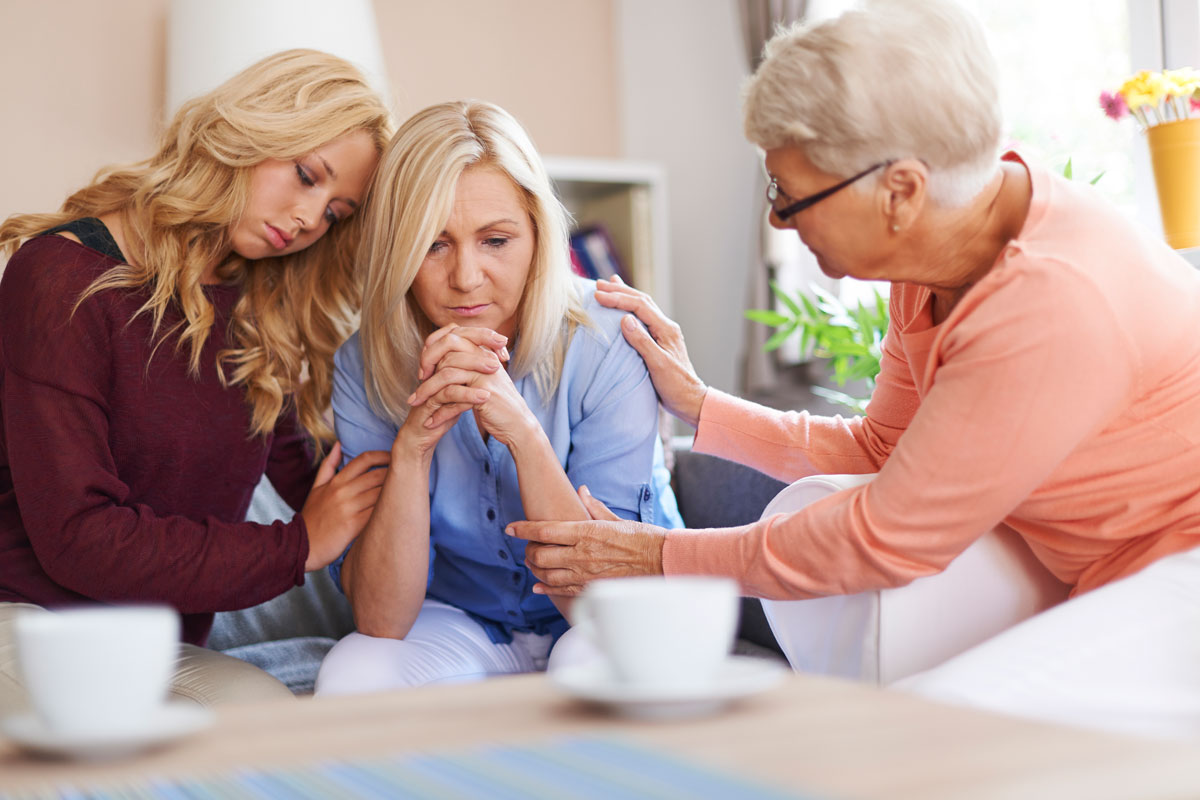
Family members often notice early signs of addiction or mental health struggles. By offering guidance, understanding, and encouragement, families can help prevent escalation and support treatment engagement. Education is key, helping loved ones understand that addiction and mental illness are treatable conditions rather than moral failings.

Peer and Community Networks

Local peer groups and community programs provide connection and accountability. Sharing experiences and coping strategies with others who understand the journey of recovery reduces isolation and reinforces healthy behaviors. These networks also foster resilience by promoting hope and motivation in challenging times.

Clinical Support and Modern Healthcare

While community care provides an essential foundation, clinical services are critical for addressing the medical and psychological aspects of addiction and mental health disorders.

Inpatient and Outpatient Addiction Recovery

Inpatient programs offer structured environments for individuals who require medical supervision, stabilization, and intensive therapy. Medically supervised detox, individual counseling, and group therapy help patients begin the journey to recovery safely.

Outpatient services allow individuals to continue treatment while returning to daily life. Regular counseling, skill-building sessions, and relapse prevention planning ensure that support continues beyond inpatient care, providing the tools needed for long-term stability.

Mental Health Treatment

Mental health care in Mali addresses conditions such as depression, anxiety, and trauma, which often coexist with substance use disorders. Evidence-based therapies, individualized counseling, and ongoing monitoring help patients manage symptoms, develop coping strategies, and build emotional resilience.

Integrating Holistic and Faith-Based Approaches

Recovery in Mali is most effective when it addresses the whole person. Holistic care considers physical, emotional, spiritual, and social dimensions, creating a more comprehensive path to wellness.

Spiritual Guidance and Faith-Based Support

Faith can be a source of hope and strength during recovery. Spiritual practices such as prayer, reflection, and guidance from faith leaders complement clinical treatment by reinforcing personal values, accountability, and emotional stability.

Personalized Care Plans

Individualized treatment plans recognize the unique needs, beliefs, and goals of each person. Tailoring care to the individual builds trust, increases engagement, and promotes long-term recovery success.

Bridging Community and Clinical Care

The combination of community involvement and professional treatment creates a powerful support system. Families and communities provide encouragement, structure, and understanding, while clinical services offer the medical expertise and therapeutic interventions necessary for sustained recovery.

Promoting Sustainable Wellness

By integrating community care with clinical support, Mali’s healthcare system promotes resilience, emotional stability, and personal growth. Individuals learn practical life skills, develop healthy routines, and gain the tools to navigate challenges, reducing the likelihood of relapse and fostering long-term wellness.

Taking the Next Step

If you or a loved one is struggling with addiction or mental health challenges, know that help is available. Compassionate, individualized care that combines professional medical support, holistic healing, and community involvement can guide you toward recovery. Reaching out for help is the first step toward rebuilding a balanced and meaningful life. In Mali, healthcare is not just about treatment—it is about connection, culture, and comprehensive support that empowers individuals to heal fully.

Life, Health, and Healing in Mali: Insights into Addiction Recovery and Mental Wellness

Life in Mali is deeply rooted in community, faith, and cultural tradition. These foundations shape not only daily living but also the way health and healing are understood. When addiction or mental health challenges enter the picture, recovery requires more than symptom management. It calls for compassionate, individualized care that honors the whole person. Today, addiction recovery and mental health treatment in Mali are evolving to combine clinical excellence with holistic and faith based support. This integrated approach offers real hope for individuals and families seeking lasting wellness.

Understanding Addiction and Mental Health in Mali

Addiction and mental health disorders affect people from all walks of life. Substance use often begins as a coping mechanism for stress, trauma, grief, or untreated mental health conditions. Over time, it can develop into physical dependence and emotional instability. Similarly, anxiety, depression, and trauma can quietly disrupt daily functioning, relationships, and self esteem.

The Connection Between Addiction and Mental Health

In many cases, addiction and mental health conditions occur together. This is known as co occurring disorders. For example, someone struggling with depression may use alcohol to numb emotional pain. Eventually, both conditions worsen. Effective treatment must address both the substance use and the underlying mental health concerns at the same time.

Comprehensive mental health treatment in Mali recognizes this connection. By treating the whole person, recovery becomes more sustainable and meaningful.

A Holistic Approach to Healing

Holistic care is central to modern addiction recovery programs in Mali. Rather than focusing only on physical symptoms, treatment considers emotional, spiritual, and social wellbeing.

Faith Based Support and Spiritual Care

Faith plays an important role in many Malian communities. For individuals in recovery, spiritual guidance can provide strength, accountability, and renewed purpose. Faith based elements such as prayer, reflection, and moral support complement professional counseling and medical treatment.

This combination reinforces personal responsibility while offering compassion and forgiveness. As a result, individuals feel supported both clinically and spiritually.

Personalized Treatment Plans

No two recovery journeys are the same. Individualized care ensures that each person receives treatment tailored to their background, health history, and personal goals. A client centered approach builds trust and encourages active participation in the recovery process.

Whether someone requires intensive inpatient treatment or flexible outpatient care, personalized planning increases the likelihood of long term success.

Inpatient and Outpatient Addiction Recovery Services

Addiction recovery services in Mali provide structured options that meet individuals where they are in their journey.

Inpatient Care for Stabilization

Inpatient programs offer a safe and supportive environment for those who need medical supervision and intensive therapy. During this phase, individuals may undergo medically supervised detox to manage withdrawal symptoms safely. They also participate in individual counseling, group therapy, and skill building sessions.

This level of care is especially important for individuals with severe substance use disorders or complex mental health conditions.

Outpatient Programs for Continued Support

Outpatient care allows individuals to continue treatment while maintaining family and work responsibilities. Regular counseling sessions, relapse prevention planning, and mental health support help maintain progress after inpatient care or as a standalone option for those with stable living environments.

Transitioning from structured treatment to daily life is a critical phase. Ongoing outpatient support reduces the risk of relapse and reinforces healthy coping strategies.

The Role of Family and Community

In Mali, healing is rarely an individual effort. Families and communities are deeply involved in recovery. Education and counseling for loved ones help create a supportive environment that promotes accountability and encouragement.

When families understand addiction as a treatable health condition rather than a moral failing, stigma decreases. Open communication strengthens relationships and helps prevent isolation, which is a common relapse trigger.

Community support groups and faith communities also provide encouragement and structure. Together, these networks form a protective foundation for long term mental wellness.

Practical Steps Toward Lasting Wellness

Recovery does not end when treatment concludes. Long term mental wellness requires ongoing commitment and practical strategies.

First, establish healthy routines. Consistent sleep, balanced nutrition, and regular physical activity support emotional stability.

Second, stay connected to supportive people. Isolation increases vulnerability to relapse.

Third, continue counseling or check ins with a mental health professional. Even periodic sessions can reinforce progress and address new challenges.

Finally, nurture spiritual and personal growth. Reflection, gratitude practices, and community involvement strengthen resilience and purpose.

Taking the First Step Toward Healing

Addiction recovery and mental health treatment in Mali are grounded in compassion, professionalism, and respect for cultural values. By combining holistic healing, faith based support, and evidence based clinical care, individuals can move from crisis to stability and from survival to meaningful living.

If you or someone you love is struggling with addiction or mental health challenges, do not wait for things to worsen. Reaching out for help is a sign of strength. With individualized care, structured support, and a community committed to healing, lasting recovery is possible. The path to life, health, and healing begins with one courageous step forward.

Exploring Wellness in Mali: How Traditional Medicine and Modern Healthcare Work Together

Wellness in Mali is a journey that blends centuries-old cultural traditions with modern medical care. For individuals struggling with addiction, mental health challenges, or chronic illnesses, recovery often requires more than clinical treatment alone. Mali’s approach to healthcare integrates traditional healing practices, community support, and modern medical services to provide compassionate, client-centered care that addresses the mind, body, and spirit. This combination ensures that individuals receive holistic support while maintaining a sense of cultural identity and personal connection.

The Foundation of Traditional Medicine in Mali

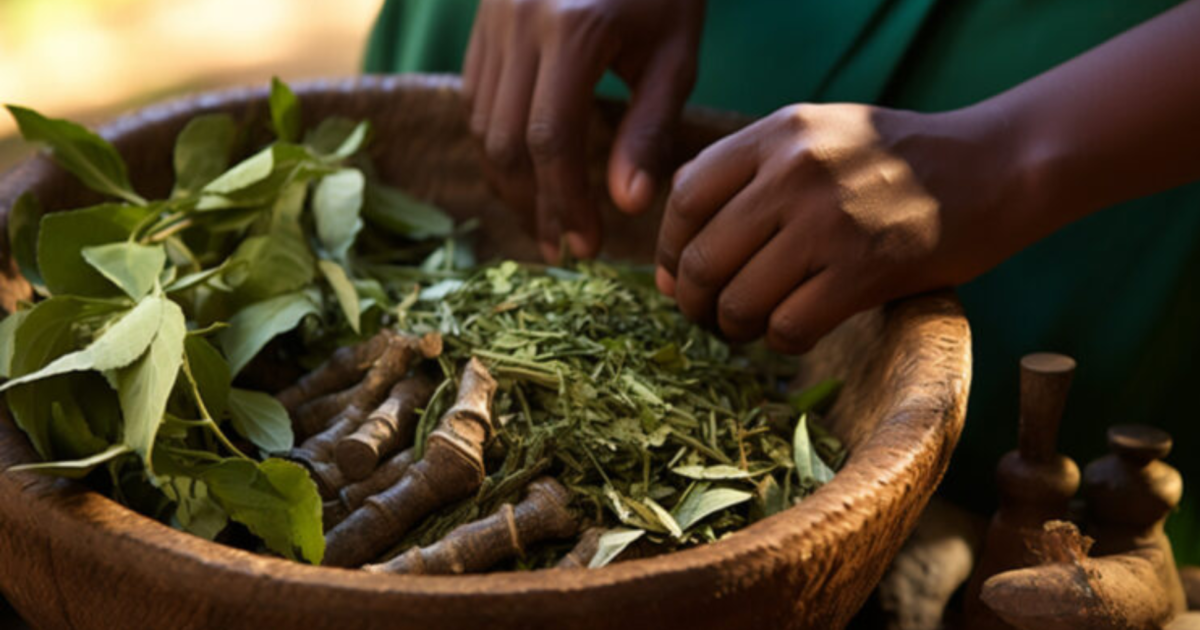
Traditional medicine has been a cornerstone of health in Mali for generations. Herbal remedies, spiritual guidance, and community rituals are often the first steps people take when seeking healing. These practices are deeply rooted in cultural values, emphasizing balance, personal responsibility, and social connection.

Healing Beyond the Body

Traditional medicine focuses not only on physical symptoms but also on emotional and spiritual wellbeing. For those struggling with addiction, practices such as herbal treatments, prayer, and reflective rituals can provide grounding, reduce stress, and offer a sense of hope. These approaches often help individuals feel connected to their community and supported in their recovery journey.

The Role of Healers and Community Leaders

Local healers and respected community figures play an important role in guiding patients through early stages of recovery. Their experience and cultural understanding help bridge gaps between traditional beliefs and the structured approaches offered by modern healthcare providers.

Modern Healthcare and Clinical Support

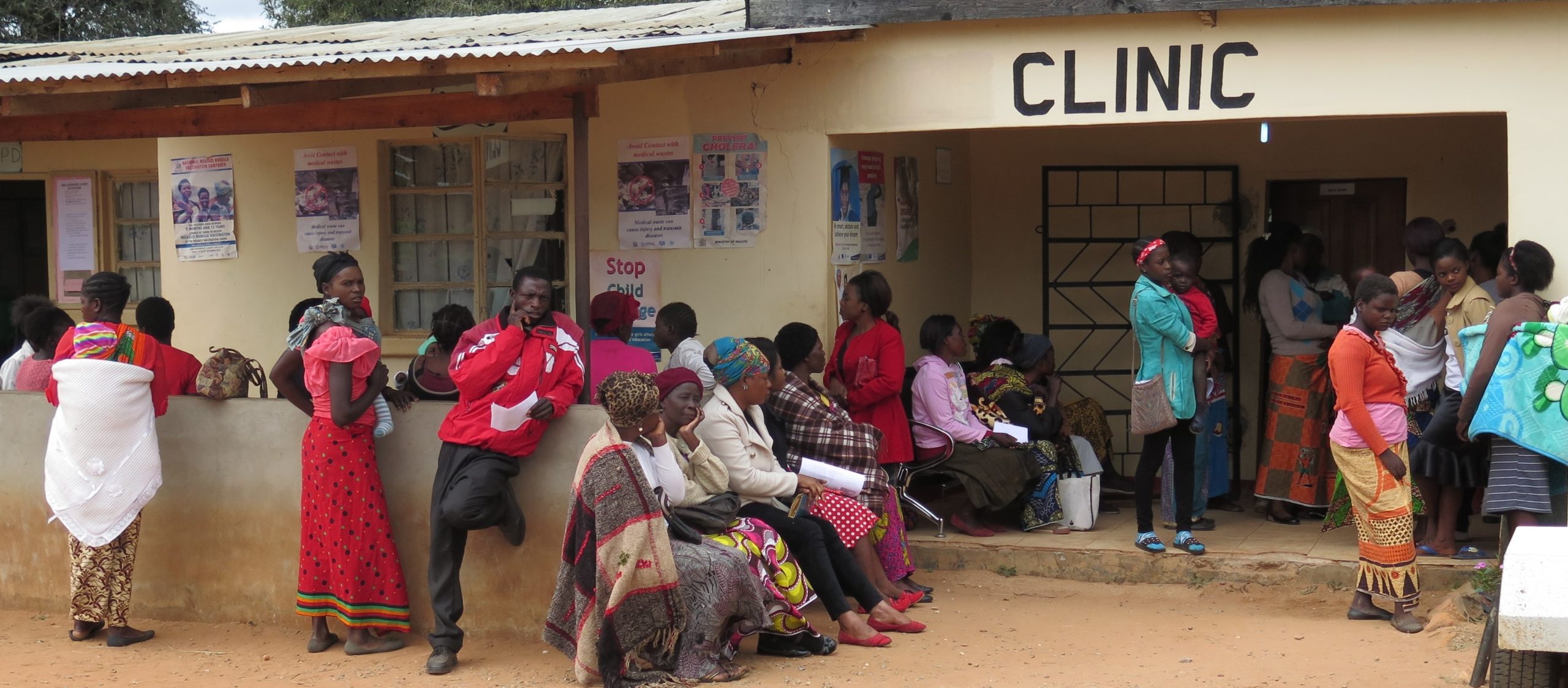
While tradition remains central, modern healthcare provides essential tools for addressing complex conditions like addiction and mental health disorders. Clinics and treatment centers in Mali offer medically supervised detox, counseling, therapy, and both inpatient and outpatient programs designed to meet individual needs.

Addiction Recovery Services

Addiction treatment in Mali includes structured programs that address both physical dependence and underlying emotional or psychological challenges. Medically supervised detox, behavioral therapy, and relapse prevention planning help individuals stabilize their health and develop coping strategies for long-term recovery.

Mental Health Care

Mental health treatment addresses conditions such as anxiety, depression, and trauma, which often coexist with substance use disorders. Comprehensive care ensures that patients receive counseling, therapy, and ongoing support tailored to their personal histories and treatment goals.

Integrating Traditional and Modern Practices

The most effective recovery occurs when traditional and modern practices are combined. Integrating cultural rituals, spiritual guidance, and community support with medical treatment helps individuals feel understood and respected while benefiting from evidence-based care.

Personalized and Holistic Care Plans

Individualized care plans allow treatment providers to consider each person’s cultural background, faith, and personal values. This approach strengthens trust, increases engagement in treatment, and encourages adherence to recovery goals. Holistic interventions, including meditation, reflection, and community involvement, complement clinical care to support overall wellness.

Supporting Families and Communities

Recovery is not an individual effort. Families and communities play a vital role in reinforcing healthy habits and reducing stigma. Education, family counseling, and community outreach programs create environments that support ongoing healing and long-term recovery success.

Moving Toward Lasting Wellness

Mali’s healthcare model demonstrates that true wellness is achieved when modern medical practices and traditional healing work together. By addressing physical health, mental health, and spiritual needs, individuals gain the tools to overcome addiction, manage mental health challenges, and rebuild their lives with dignity.

If you or a loved one is struggling with addiction or mental health issues, help is available. Reaching out for compassionate, individualized care is the first step toward lasting wellness. Mali’s integrated approach ensures that you are supported every step of the way, providing hope, healing, and the opportunity to reclaim a meaningful and balanced life.

Supporting Families Through Addiction and Mental Health Challenges in Mali

Addiction and mental health challenges rarely affect just one person. They impact families, relationships, and entire communities. In Mali, families play a central role in the healing process, offering emotional strength, cultural guidance, and daily support. At the same time, families often experience confusion, fear, and exhaustion when trying to help a loved one struggling with substance use or mental health concerns. Effective treatment programs in Mali recognize this reality. They provide compassionate, individualized care that includes family involvement, holistic healing, and professional mental health services designed to support everyone affected by addiction.

Understanding the Family Impact of Addiction and Mental Health

Families are often the first to notice changes in behavior, mood, and functioning. They may see their loved one withdraw, struggle with work or school, or face increasing health challenges. Without proper education and support, families may feel helpless or unintentionally respond in ways that increase stress for everyone involved.

Emotional Strain on Loved Ones

Watching someone struggle with addiction or mental illness can create deep emotional pain. Family members may experience anxiety, guilt, anger, or fear for their loved one’s safety. Over time, these feelings can lead to burnout if families do not receive their own support and guidance.

Breaking the Cycle of Silence and Stigma

In some communities, addiction and mental health challenges are still surrounded by stigma. Families may hesitate to seek professional help due to fear of judgment. Education and open communication are essential for breaking this cycle. When families understand that addiction and mental health conditions are treatable health issues, they become more empowered to seek effective care.

The Role of Professional Treatment Programs in Mali

Modern treatment programs in Mali focus on both individual recovery and family healing. By offering inpatient and outpatient services, mental health counseling, and holistic support, these programs help families navigate the recovery process together.

Inpatient Care for Stabilization and Intensive Support

Inpatient treatment provides a structured environment where individuals can focus fully on recovery. Medical supervision, counseling, and daily therapeutic activities help stabilize both physical and emotional health. Families benefit from knowing their loved one is receiving consistent, professional care during critical stages of treatment.

Outpatient Programs for Ongoing Recovery

Outpatient services allow individuals to continue therapy and support while maintaining daily responsibilities. Families remain actively involved, attending education sessions and learning how to encourage healthy habits at home. This ongoing connection strengthens the recovery process and helps prevent relapse.

Holistic and Faith Based Support for Families

Holistic care acknowledges that healing involves more than clinical treatment. Emotional, spiritual, and cultural elements play an important role in long term recovery for both individuals and families.

Faith and Spiritual Guidance

Faith based support offers families a sense of hope and meaning during difficult times. Prayer, reflection, and spiritual counseling can help family members process their experiences, rebuild trust, and maintain resilience throughout recovery.

Individualized Family Care Plans

Each family is unique. Personalized treatment plans consider cultural values, communication styles, and family dynamics. Family counseling sessions help improve understanding, rebuild relationships, and develop healthier patterns of interaction that support long term healing.

Practical Ways Families Can Support Recovery

Families often ask what they can do to help without feeling overwhelmed. Effective support involves both compassion and healthy boundaries.

Learn About Addiction and Mental Health

Education is one of the most powerful tools families have. Understanding triggers, relapse risks, and emotional challenges helps families respond with empathy rather than frustration.

Encourage Healthy Routines

Structure and stability are essential for recovery. Families can support positive habits such as attending therapy sessions, maintaining consistent schedules, and practicing stress management techniques.

Prioritize Self Care

Supporting a loved one does not mean neglecting personal wellbeing. Family members should seek their own counseling or support groups when needed. Caring for oneself improves the ability to offer consistent, compassionate support.

Building Stronger Families and Healthier Communities

When families are involved in recovery, outcomes improve. Relationships become stronger, communication improves, and individuals feel more motivated to stay engaged in treatment. Mali’s evolving healthcare programs continue to emphasize family centered care as a core component of effective addiction recovery and mental health treatment.

Taking the Next Step Toward Healing

If your family is facing addiction or mental health challenges, know that help is available. Compassionate treatment programs that combine professional counseling, holistic healing, and faith based support can guide families toward recovery and renewed hope. Reaching out for help is a powerful step toward healing not only the individual but also the entire family system. With the right support, families in Mali can move forward together, stronger, healthier, and more connected than before.

The Heart of Healing: Community, Culture, and Healthcare in Mali

Healing in Mali is more than medical treatment. It is a journey rooted in community, culture, and connection. For individuals facing addiction or mental health challenges, recovery is most effective when it addresses not only physical health but also emotional wellbeing, spiritual needs, and social support. Mali’s healthcare programs are increasingly embracing this holistic approach, combining modern clinical care with culturally sensitive practices and community engagement to promote lasting wellness.

The Role of Community in Recovery

In Mali, community is central to life. Families, neighbors, and local support networks are deeply involved in each person’s wellbeing. This communal approach plays a critical role in mental health and addiction recovery.

Family Involvement and Support

Addiction and mental health struggles affect the entire family. Programs in Mali emphasize family education, counseling, and participation in treatment. When families understand the nature of addiction and mental illness, they can provide empathetic support, reduce stigma, and create a nurturing environment for recovery.

Peer and Community Networks

Recovery is reinforced through connection with peers who understand the challenges of addiction. Group therapy, support circles, and community programs help individuals feel less isolated. Sharing experiences fosters accountability and encourages individuals to maintain healthy routines and coping strategies.

Cultural Practices and Holistic Healing

Mali’s rich cultural heritage informs its approach to healthcare. Traditional medicine, spiritual practices, and cultural rituals are integrated into treatment programs to support the whole person.

Integrating Traditional and Modern Care

Traditional healers and modern healthcare providers often work alongside each other to create individualized treatment plans. Herbal remedies, spiritual guidance, and culturally meaningful rituals can complement medical care, offering comfort, motivation, and a sense of identity during recovery.

Faith-Based Support

Faith and spirituality are essential components of many recovery programs. Prayer, meditation, and moral guidance can strengthen emotional resilience and provide a sense of purpose. When combined with counseling and medical treatment, these practices support long-term recovery and personal growth.

Modern Healthcare Approaches in Mali

While cultural and community support is vital, clinical care remains a cornerstone of effective recovery. Mali’s healthcare programs offer structured inpatient and outpatient services tailored to each individual’s needs.

Addiction Recovery Services

Addiction is addressed through medically supervised detox, counseling, behavioral therapy, and relapse prevention planning. By treating both the physical and psychological aspects of addiction, these programs help individuals regain control over their lives.

Mental Health Treatment

Mental health care addresses conditions such as anxiety, depression, and trauma, which often coexist with substance use disorders. Personalized therapy, group sessions, and ongoing monitoring ensure that individuals receive comprehensive support throughout their recovery journey.

Creating Sustainable Wellness

Healing in Mali is not just about overcoming a specific illness or addiction. It is about rebuilding a balanced life, restoring relationships, and strengthening resilience. Community involvement, cultural connection, and individualized care are all critical to sustaining wellness over the long term.

Building Resilience and Life Skills

Programs emphasize developing coping strategies, emotional regulation, and life skills. Participants learn to navigate stress, maintain healthy relationships, and pursue meaningful goals, which helps prevent relapse and supports long-term recovery.

Strengthening Community Bonds

By fostering understanding and collaboration within families and communities, Mali’s programs reduce stigma and create environments where individuals can thrive. Supportive communities are essential for ongoing mental health and addiction recovery.

Taking the Next Step

Recovery is a journey that requires courage, support, and guidance. If you or a loved one is struggling with addiction or mental health challenges, reaching out for help is the first step toward lasting wellness. Compassionate, culturally sensitive, and individualized care in Mali can transform lives, strengthen communities, and provide hope for a brighter future.

By combining the wisdom of culture, the strength of community, and the expertise of modern healthcare, Mali continues to offer a model of healing that addresses the whole person and supports lasting recovery.

From Detox to Daily Life: What Recovery Looks Like in Mali’s Treatment Programs

Recovery from addiction is a journey, not a single moment. In Mali, treatment programs are evolving to provide individuals with the tools, support, and guidance they need to reclaim their lives. From medically supervised detox to the challenges of reintegrating into daily routines, Mali’s addiction recovery services focus on holistic healing, mental health support, and personalized care that addresses the whole person. These programs honor cultural traditions while offering modern clinical approaches to help people build lasting recovery.

The First Step: Detox and Stabilization

Detoxification is often the first phase of addiction treatment. It involves the safe removal of substances from the body under medical supervision. This stage is crucial for both physical and mental health, as withdrawal symptoms can be intense and, in some cases, dangerous.

Medically Supervised Detox

In Mali’s inpatient programs, medical professionals monitor vital signs, provide medication when necessary, and support patients through the physical and emotional challenges of withdrawal. This careful supervision ensures safety and lays the foundation for recovery by addressing the immediate effects of substance dependence.

Emotional and Spiritual Support During Detox

Detox is not only a physical process. Emotional and spiritual guidance during this stage helps patients cope with anxiety, fear, and uncertainty. Faith-based and holistic approaches, including counseling, prayer, and reflection, are often incorporated to provide stability and encourage hope for the recovery journey ahead.

Building Skills for Recovery: Therapy and Treatment

Once detox is complete, the focus shifts to developing the skills necessary for long-term recovery. This stage combines evidence-based therapies with culturally sensitive practices to address the root causes of addiction.

Individual and Group Counseling

Counseling helps individuals explore personal triggers, develop coping strategies, and work through underlying mental health conditions such as depression, anxiety, or trauma. Group therapy fosters connection, reducing isolation and providing encouragement from peers who understand the challenges of addiction.

Holistic and Faith-Based Interventions

Malian treatment programs often integrate holistic care, including mindfulness, meditation, and community engagement. Faith-based support provides moral guidance and reinforces personal values, helping individuals maintain motivation and commitment to recovery.

Transitioning Back to Daily Life

One of the most critical stages of recovery is reintegration into daily life. This transition can be challenging, as individuals face social pressures, personal stressors, and triggers that may lead to relapse.

Outpatient Care and Continued Support

Outpatient programs allow patients to continue receiving professional care while resuming work, school, or family responsibilities. Regular counseling sessions, relapse prevention planning, and check-ins with healthcare providers provide structure and accountability.

Building a Supportive Environment

Families and communities play a vital role in sustaining recovery. Education and guidance for loved ones help create an environment of understanding and encouragement. Rebuilding relationships and establishing positive routines are essential components of successful reintegration.

Long-Term Recovery and Personal Growth

Recovery is ongoing. Mali’s programs emphasize not only abstinence but also personal growth, emotional resilience, and mental wellness. Patients are encouraged to develop healthy habits, pursue meaningful goals, and maintain supportive social connections.

Taking the Next Step

If you or a loved one is struggling with addiction, help is available in Mali. Compassionate, individualized care that combines medical expertise, holistic support, and faith-based guidance can transform lives. Recovery is possible, and every step, from detox to daily life, brings individuals closer to lasting health and wellbeing. Reaching out for support today is the first step toward reclaiming your future.

This article provides a clear roadmap for what recovery looks like in Mali, highlighting the integration of medical care, mental health support, and cultural sensitivity that defines modern treatment programs.

Mental Health Care in Mali: Breaking Stigma and Building Supportive Communities

Mental health challenges affect individuals and families across Mali, yet many people continue to suffer in silence due to stigma, misunderstanding, and limited access to care. For those struggling with addiction, trauma, depression, or anxiety, this silence can delay healing and deepen isolation. Today, a growing movement across Mali is working to change that reality by promoting compassionate mental health care, integrating holistic and faith based support, and building communities where recovery is possible and respected.

Understanding Mental Health Stigma in Mali

Stigma remains one of the greatest barriers to mental health treatment. In many communities, emotional struggles and substance use disorders are misunderstood or viewed as personal failures rather than health conditions that deserve care.

Cultural Beliefs and Misconceptions

Mental illness is sometimes attributed to moral weakness, spiritual imbalance, or family shame. As a result, individuals may avoid seeking professional help out of fear of judgment or rejection. This can be especially true for people experiencing addiction, where shame often compounds the illness itself.

Breaking these misconceptions begins with education. When mental health is understood as a treatable condition, just like diabetes or heart disease, people are more likely to reach out for help early and stay engaged in treatment.

Expanding Access to Mental Health Treatment

Across Mali, mental health services are evolving to meet real community needs. Programs now focus on accessibility, cultural understanding, and individualized care.

Inpatient and Outpatient Care Options

Effective mental health care recognizes that every person’s situation is different. Inpatient programs provide structured, supportive environments for individuals who need intensive care, stabilization, or medical oversight. Outpatient services offer flexibility for those who need ongoing support while continuing daily responsibilities.

Both options are essential for treating co occurring mental health and substance use disorders. Addressing these conditions together improves outcomes and reduces the risk of relapse.

Addiction Recovery as Mental Health Care

Addiction is deeply connected to mental health. Many individuals turn to substances as a way to cope with unresolved trauma, stress, or emotional pain. Comprehensive addiction recovery services focus on healing both the mind and body.

Treatment often includes counseling, behavioral therapy, relapse prevention planning, and emotional regulation skills. When mental health care is integrated into addiction treatment, individuals gain the tools they need to build lasting recovery.

The Power of Holistic and Faith Based Approaches

Holistic care plays a vital role in mental health treatment in Mali. By addressing spiritual wellbeing, emotional health, physical stability, and social connection, recovery becomes more sustainable and meaningful.

Faith as a Source of Strength

For many individuals, faith provides hope, structure, and purpose during recovery. Faith based support does not replace clinical treatment. Instead, it complements therapy and medical care by reinforcing values, accountability, and inner resilience.

Prayer, reflection, and spiritual guidance can help individuals reconnect with themselves and their communities, which is especially important during early recovery.

Individualized Treatment Plans

There is no single path to healing. Personalized care plans respect each person’s background, beliefs, and goals. By tailoring treatment to the individual, mental health providers build trust and improve long term engagement.

Building Supportive Communities

Recovery does not happen in isolation. Supportive families, informed communities, and compassionate care providers all play a role in reducing stigma and promoting mental wellness.

Family Education and Involvement

When families understand mental health and addiction, they become powerful allies in recovery. Education helps loved ones replace judgment with empathy and learn how to offer healthy support without enabling harmful behaviors.

Community Awareness and Outreach

Community conversations about mental health create safer spaces for people to seek help. Outreach programs, local advocacy, and open dialogue reduce fear and encourage early intervention. Over time, these efforts help normalize mental health care as an essential part of overall wellness.

A Future Rooted in Compassion and Hope

Mental health care in Mali is moving forward with purpose and compassion. By combining professional treatment, holistic support, and cultural understanding, communities are breaking stigma and creating pathways to healing.

If you or someone you love is struggling with mental health challenges or addiction, help is available. Reaching out for support is not a sign of weakness. It is a step toward strength, clarity, and renewed hope. Compassionate, individualized care can help you begin a healthier chapter and build a life grounded in balance, connection, and wellbeing.

How Traditional Medicine and Modern Healthcare Unite in Mali’s Path to Wellness

Healing in Mali has always been about more than treating symptoms. It is rooted in community, faith, family, and a deep respect for the connection between the mind, body, and spirit. Today, as Mali continues to strengthen its healthcare systems, a meaningful integration is taking place. Traditional healing practices are increasingly working alongside modern medical and mental health care to support lasting wellness, including addiction recovery and emotional healing. This blended approach reflects a compassionate, client centered model of care that honors cultural identity while embracing evidence based treatment.

Understanding Health and Healing in Mali

Health in Mali is traditionally viewed as a balance. Physical wellbeing, emotional stability, spiritual faith, and social connection are all seen as essential. When one area is disrupted, whether through addiction, trauma, or mental illness, healing must address the whole person rather than a single diagnosis.

The Role of Traditional Medicine

Traditional medicine has long played a central role in Malian life. Herbal remedies, spiritual counseling, prayer, and guidance from respected healers are often the first steps people take when facing illness or emotional distress. These practices focus on restoring harmony, strengthening personal responsibility, and reconnecting individuals with their values and community.

For people struggling with substance use or mental health challenges, traditional approaches can provide comfort, cultural familiarity, and spiritual grounding. They often emphasize accountability, reflection, and moral renewal, which can be powerful motivators for change when paired with professional care.

The Growing Role of Modern Healthcare

While tradition remains important, modern healthcare in Mali has expanded significantly in recent years. Clinical addiction treatment, mental health services, and structured inpatient and outpatient programs are becoming more accessible. These services provide medical supervision, psychological support, and evidence based therapies that address the biological and behavioral aspects of addiction and mental illness.

Addiction Recovery and Mental Health Treatment

Addiction is a complex condition that affects the brain, emotions, relationships, and daily functioning. Modern treatment approaches recognize this complexity. Medically supervised detox, counseling, relapse prevention planning, and ongoing mental health care are essential components of effective recovery.

Mental health treatment also plays a critical role. Conditions such as depression, anxiety, and trauma often coexist with substance use disorders. Integrated care helps individuals understand the root causes of their struggles and develop healthier coping strategies.

Where Traditional and Modern Care Meet

The most effective healing often happens when traditional wisdom and modern healthcare work together rather than in opposition.

Holistic and Individualized Care

Holistic care acknowledges that recovery is not one size fits all. By respecting cultural beliefs and faith based values, treatment providers can create personalized care plans that feel safe and relevant. Traditional practices such as prayer, meditation, and community support can complement clinical therapy and medical treatment.

For example, a person in an inpatient or outpatient program may receive counseling and medical care while also engaging in spiritual reflection or culturally meaningful rituals. This integrated approach can strengthen trust, increase engagement in treatment, and support long term recovery.

Supporting Families and Communities

In Mali, healing is rarely an individual journey. Families and communities are deeply involved. Modern treatment programs increasingly recognize the importance of family education, community reintegration, and ongoing support. When loved ones understand addiction and mental health as treatable conditions, stigma is reduced and recovery becomes more sustainable.

Building a Path to Lasting Wellness

Uniting traditional medicine with modern healthcare creates a powerful pathway to wellness. It respects cultural identity while providing the structure and clinical expertise needed to address serious health challenges. For individuals seeking help with addiction or mental health concerns, this approach offers hope, dignity, and practical tools for change.

Recovery is not just about stopping harmful behaviors. It is about rebuilding a meaningful life, restoring relationships, and developing resilience for the future. By honoring both tradition and innovation, Mali continues to move toward a more compassionate and effective model of care.

Taking the Next Step Toward Healing

If you or someone you love is struggling with addiction or mental health challenges, you are not alone. Help is available, and recovery is possible. Compassionate, individualized care that integrates medical treatment, emotional support, and holistic healing can make all the difference.

Reaching out for support is a courageous first step. Whether you are seeking inpatient care, outpatient services, or guidance on holistic recovery options, connecting with a trusted treatment provider can open the door to lasting wellness and renewed hope.

Beyond the Clinic: How Cultural Practices Support Addiction Recovery in Mali

Addiction recovery is more than a medical process. In Mali, healing extends beyond the walls of clinics and treatment centers, embracing cultural practices that have guided communities for generations. From spiritual rituals to herbal remedies, these traditions provide emotional, psychological, and social support that complements modern therapy. At Tombouctou2006.net, the integration of cultural practices with professional addiction and mental health treatment creates a compassionate, holistic, and client-centered approach to lasting recovery.


The Importance of Culture in Addiction Recovery

Mali’s cultural practices offer a framework for understanding health and wellbeing that goes beyond physical symptoms. Traditional healers, spiritual leaders, and community elders often provide guidance for individuals struggling with substance use, helping them reconnect with their identity, values, and purpose.

Building Trust Through Familiar Practices

For many individuals, cultural practices reduce the stigma associated with addiction. Rituals, prayer, and guidance from trusted community figures create a sense of safety and belonging. This trust encourages people to seek help and engage more fully in professional treatment programs. By honoring cultural beliefs, treatment becomes not only clinically effective but also personally meaningful.


Integrating Traditional Practices with Modern Treatment

Inpatient and Outpatient Programs

Tombouctou2006 offers both inpatient and outpatient programs that cater to the unique needs of each client. Inpatient care provides structured support in a safe environment, while outpatient care allows individuals to maintain family and community connections while participating in therapy. Both approaches are enhanced by the inclusion of cultural practices, creating a balanced and holistic recovery experience.

Mental Health and Holistic Support

Addiction often intersects with mental health challenges such as depression, anxiety, or trauma. Integrating cultural practices with clinical therapies—such as counseling, cognitive behavioral therapy, and group sessions—addresses the emotional and spiritual dimensions of recovery. Techniques such as guided reflection, community rituals, and mindfulness rooted in local tradition help clients regain emotional stability and resilience.


Benefits of Combining Culture and Clinical Care

The integration of cultural practices into addiction treatment offers several key benefits:

  • Enhanced Engagement: Patients are more likely to participate actively in recovery when care respects their cultural identity.
  • Spiritual and Emotional Support: Rituals and guidance from trusted figures provide meaning and hope.
  • Community Reinforcement: Family and community involvement strengthens accountability and long-term recovery.
  • Holistic Healing: Addressing mind, body, and spirit fosters comprehensive wellness.

By combining these elements, recovery programs help individuals rebuild their lives in a way that feels authentic and sustainable.


Faith, Family, and Community: Cornerstones of Recovery

In Mali, faith and family are central to healing. Tombouctou2006 incorporates spiritual guidance, family counseling, and community support into every stage of treatment. Clients are encouraged to reconnect with their values and loved ones, creating a supportive environment that extends beyond the clinic.

Personalized Care for Lasting Change

Each recovery journey is unique, and Tombouctou2006 tailors treatment to meet the specific needs of every client. By blending cultural practices with evidence-based therapies, the center ensures that individuals receive care that is effective, compassionate, and deeply rooted in their personal and cultural identity.


Moving Forward on the Path to Recovery

Recovery in Mali is strongest when it honors both tradition and modern science. Cultural practices provide emotional and spiritual guidance, while professional care addresses physical and psychological needs. Together, they form a holistic approach that strengthens resilience, rebuilds relationships, and restores hope.

At Tombouctou2006.net, individuals struggling with addiction receive faith-based, holistic, and individualized care that respects their heritage while providing the tools needed for lasting recovery. Take the first step today and begin your journey toward renewed health, balance, and purpose.

Mali’s Path to Wellness: Integrating Traditional Medicine with Modern Mental Health Treatment

Mental health and addiction challenges in Mali are deeply personal experiences that affect individuals, families, and entire communities. Healing these struggles requires more than clinical intervention alone. It requires cultural understanding, spiritual support, and personalized care that honors each individual’s lived experience. In Mali, traditional medicine has long supported emotional and spiritual wellness, and today it is increasingly integrated with modern mental health treatment. At Tombouctou2006.net, this balanced approach creates a pathway to recovery that is both effective and deeply compassionate.


Understanding Mental Health and Addiction in Mali

Mental health conditions and substance use disorders often develop alongside trauma, stress, or social hardship. In Mali, these challenges are commonly viewed through a holistic lens, recognizing the connection between emotional pain, spiritual imbalance, and physical health.

Traditional healers have supported mental and emotional wellbeing for generations. They are trusted figures who listen, guide, and help individuals restore balance in their lives. Modern treatment centers now recognize that integrating this cultural foundation into professional care improves engagement, trust, and long term outcomes.


The Role of Traditional Medicine in Mental Health Care

Cultural Healing Practices That Build Trust

Traditional medicine in Mali often includes herbal remedies, spiritual counseling, prayer, and community rituals. These practices help individuals feel grounded, understood, and supported. For those struggling with addiction or mental health challenges, this sense of cultural connection reduces shame and encourages openness to healing.

By respecting these traditions, modern treatment programs help clients feel safe seeking care. Trust is one of the most important factors in recovery, and culturally sensitive approaches strengthen that trust from the very beginning.

Supporting Emotional and Spiritual Balance

Traditional medicine focuses on restoring harmony between the mind, body, and spirit. This aligns closely with holistic mental health treatment. Practices such as meditation, spiritual reflection, and guided rituals can support emotional stability, reduce anxiety, and strengthen resilience during recovery.


Modern Mental Health Treatment at Tombouctou2006

Inpatient and Outpatient Care Options

Tombouctou2006 offers both inpatient and outpatient mental health and addiction recovery programs. Inpatient care provides a structured environment with continuous support for individuals who need focused treatment. Outpatient care allows clients to receive professional support while remaining connected to family and community life.

Each program is tailored to the individual, recognizing that no two recovery journeys are the same.

Evidence Based and Holistic Therapies

Modern mental health treatment includes counseling, therapy, relapse prevention planning, and emotional skills development. These evidence-based methods address the psychological patterns that contribute to addiction and mental health challenges.

When combined with traditional medicine and faith-based support, clients receive care that treats the whole person rather than just the symptoms. This integrated model helps individuals build lasting emotional strength and healthier coping strategies.


Why Integration Matters for Long Term Recovery

Blending traditional medicine with modern mental health treatment offers several important benefits:

  • Increased trust and engagement in care
  • Respect for cultural and spiritual identity
  • Stronger emotional resilience and self awareness
  • Support for the mind, body, and spirit
  • Improved long term recovery outcomes

At Tombouctou2006, integration is not about choosing one approach over another. It is about honoring both cultural wisdom and clinical expertise to provide meaningful and effective care.


Faith and Family as Foundations of Healing

Faith and family play a central role in wellbeing throughout Mali. Tombouctou2006 incorporates spiritual guidance and family involvement into treatment whenever appropriate. Family counseling and education help rebuild trust and create supportive environments that sustain recovery beyond formal treatment.

This approach reinforces the idea that healing is not a solitary process. Recovery grows stronger when individuals are supported by faith, family, and community.


Taking the Next Step Toward Wellness

Healing from addiction and mental health challenges is possible when care is compassionate, personalized, and culturally grounded. Mali’s path to wellness lies in integrating traditional medicine with modern mental health treatment to support the whole person.

At Tombouctou2006.net, individuals receive faith-based, holistic, and individualized care designed to restore balance, purpose, and hope. If you or someone you love is struggling, reaching out today can be the first step toward lasting recovery and renewed wellbeing.

Your journey toward healing can begin now.